Product Discovery
Product Discovery
Product Discovery

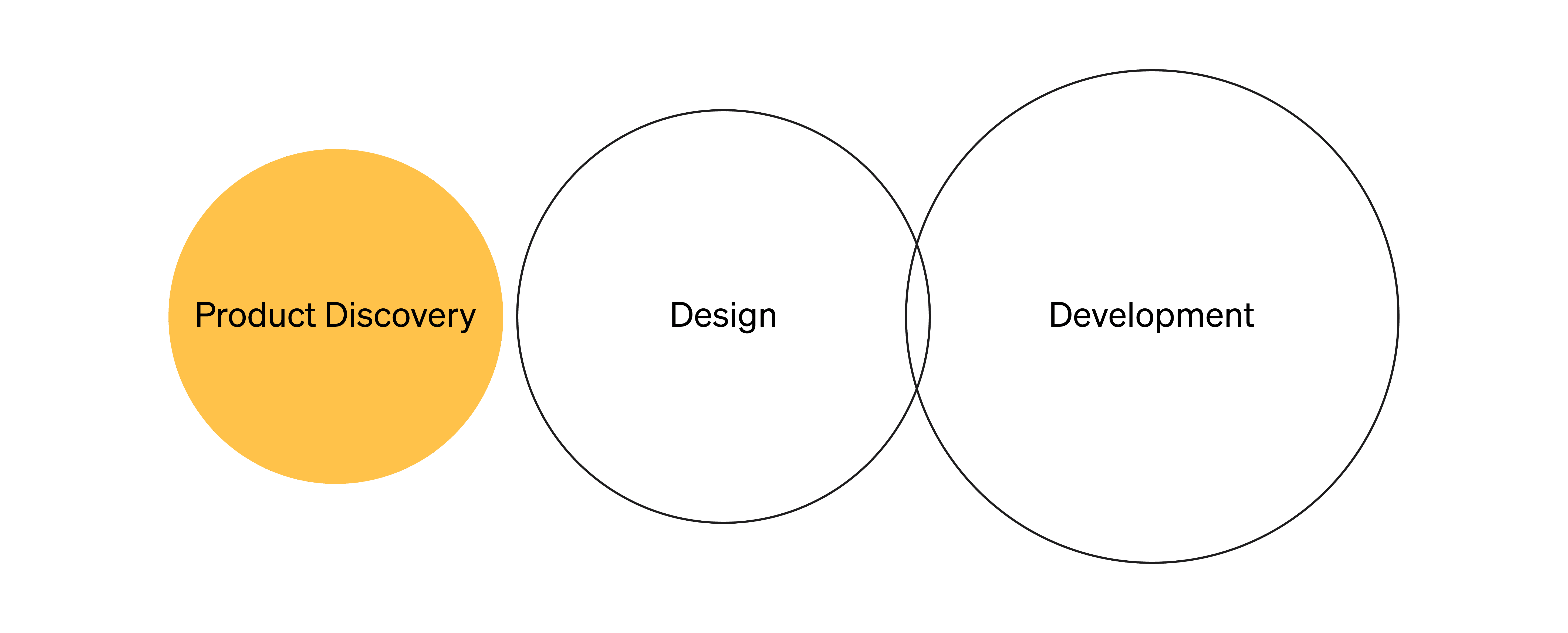
Great products start with the right questions. Our experts help you identify what's worth pursuing, pressure-test assumptions, and set a direction you're confident in before committing to the long-term.
What is product discovery?
Dedicated software professionals embedded within client teams.
What is product discovery?
Dedicated software professionals embedded within client teams.
Benefits
Validate your idea before development
Find product–market fit through research and testing
Turn assumptions into data-backed decisions
Align goals across design, business, and tech teams
Define a realistic MVP scope and delivery plan
Start development with a tested concept
Benefits
Validate your idea before development
Find product–market fit through research and testing
Turn assumptions into data-backed decisions
Align goals across design, business, and tech teams
Define a realistic MVP scope and delivery plan
Start development with a tested concept
Our Process
Discovery Workshop
Before anyone opens a design file or writes a line of code, we need to agree on what we're actually solving. The Discovery Workshop is where we get honest about the problem, the constraints, and what success really looks like.
What we cover:
Alignment and goal setting
Assumption and risk mapping
User empathy and stakeholder alignment
Discovery Workshop
Before anyone opens a design file or writes a line of code, we need to agree on what we're actually solving. The Discovery Workshop is where we get honest about the problem, the constraints, and what success really looks like.
What we cover:
Alignment and goal setting
Assumption and risk mapping
User empathy and stakeholder alignment
Alignment and goal setting
We bring your stakeholders and our team together to define the problem with enough precision to actually build toward it. That means getting specific about business goals, success metrics, and the constraints — timeline, budget, existing technology — that will shape every decision going forward. We also take stock of what you already know: prior research, analytics, past attempts. By the end, everyone has the same definition of done.
Alignment and goal setting
We bring your stakeholders and our team together to define the problem with enough precision to actually build toward it. That means getting specific about business goals, success metrics, and the constraints — timeline, budget, existing technology — that will shape every decision going forward. We also take stock of what you already know: prior research, analytics, past attempts. By the end, everyone has the same definition of done.
Assumption and risk mapping
Every product idea rests on assumptions that haven't been tested yet. We surface them — using a framework that cuts across whether users will want it, whether the business case holds, and whether it can actually be built. Then we figure out which assumptions carry the most risk and build a plan to pressure-test those first, before they become expensive problems.
Assumption and risk mapping
Every product idea rests on assumptions that haven't been tested yet. We surface them — using a framework that cuts across whether users will want it, whether the business case holds, and whether it can actually be built. Then we figure out which assumptions carry the most risk and build a plan to pressure-test those first, before they become expensive problems.
User empathy and stakeholder alignment
Good products are built for real people, not the imagined ones in a brief. Through empathy mapping and structured exercises, we close the gap between what your team believes about your users and what those users are actually experiencing. This isn't a research deliverable — it's a practice that stays with the team through everything that follows.
User empathy and stakeholder alignment
Good products are built for real people, not the imagined ones in a brief. Through empathy mapping and structured exercises, we close the gap between what your team believes about your users and what those users are actually experiencing. This isn't a research deliverable — it's a practice that stays with the team through everything that follows.

Research and Planning
Decisions made without good information tend to get remade later, at a much higher cost. In this phase, we go deep on your market, your users, and your technical landscape — so the path forward is built on evidence, not instinct.
What we cover:
Market and competitive analysis
User research and personas
User journey mapping
Technical feasibility and planning
Research and Planning
Decisions made without good information tend to get remade later, at a much higher cost. In this phase, we go deep on your market, your users, and your technical landscape — so the path forward is built on evidence, not instinct.
What we cover:
Market and competitive analysis
User research and personas
User journey mapping
Technical feasibility and planning
Market and competitor analysis
We study the landscape you're entering: who's already there, where they fall short, and where there's room to build something better. Through competitive feature analysis, positioning review, and user feedback research, we identify the gaps your product can fill. You'll come away with a clear-eyed picture of where you fit and what it will take to stand out.
Technical research and planning
Our engineers look hard at what it will actually take to build what you're envisioning. We evaluate infrastructure options, flag integration challenges, and identify anything that could become a constraint mid-build. You'll get a clear, honest picture of what's possible — and what trade-offs come with each direction — before any commitments are made.
User research and personas
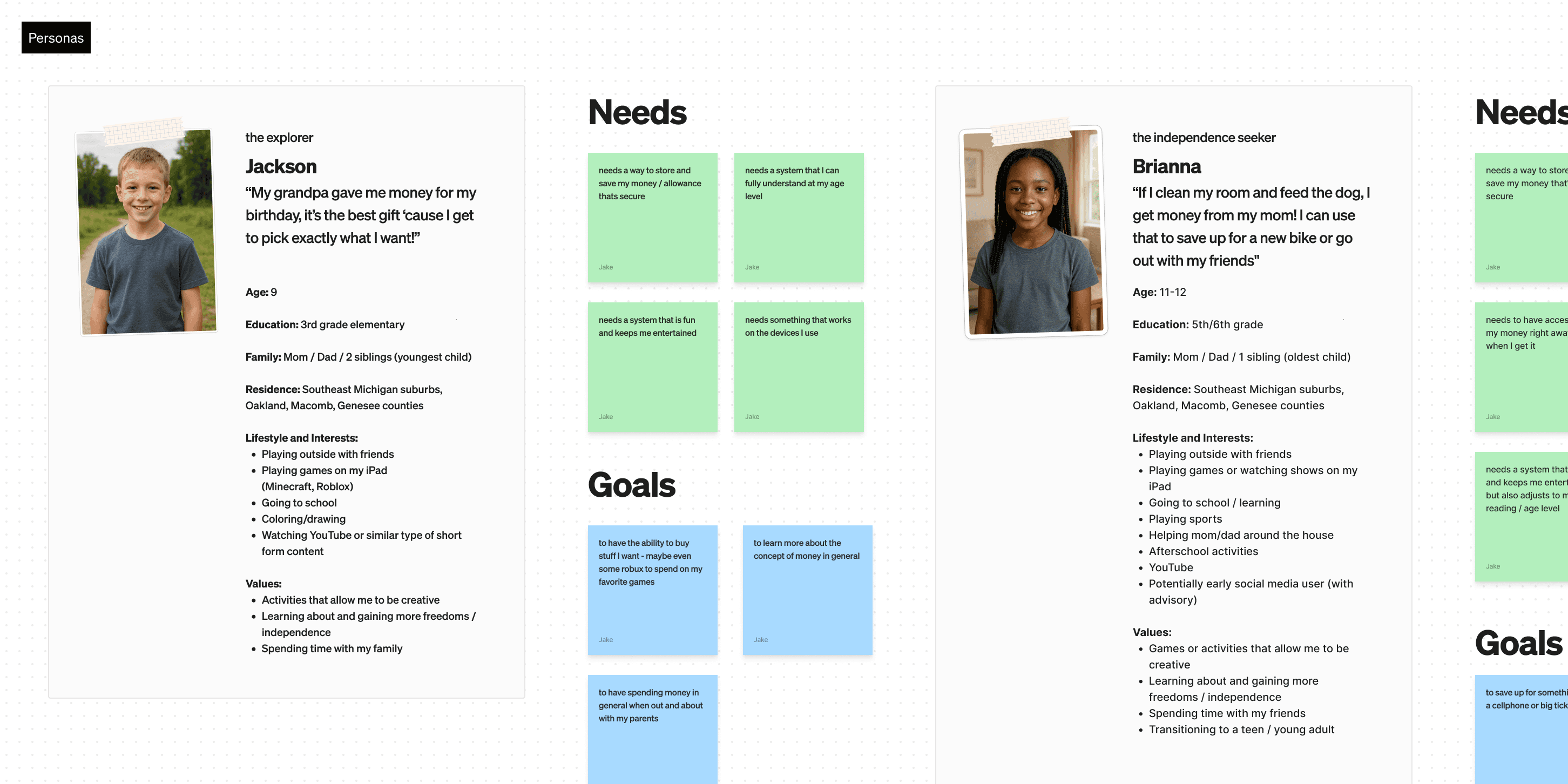
We talk to the people you're building for. Through interviews, surveys, or desk research depending on your stage, we find out what motivates them, what frustrates them, and how they're getting by today without your product. From those conversations, we build personas grounded in what we actually heard.
User journey mapping
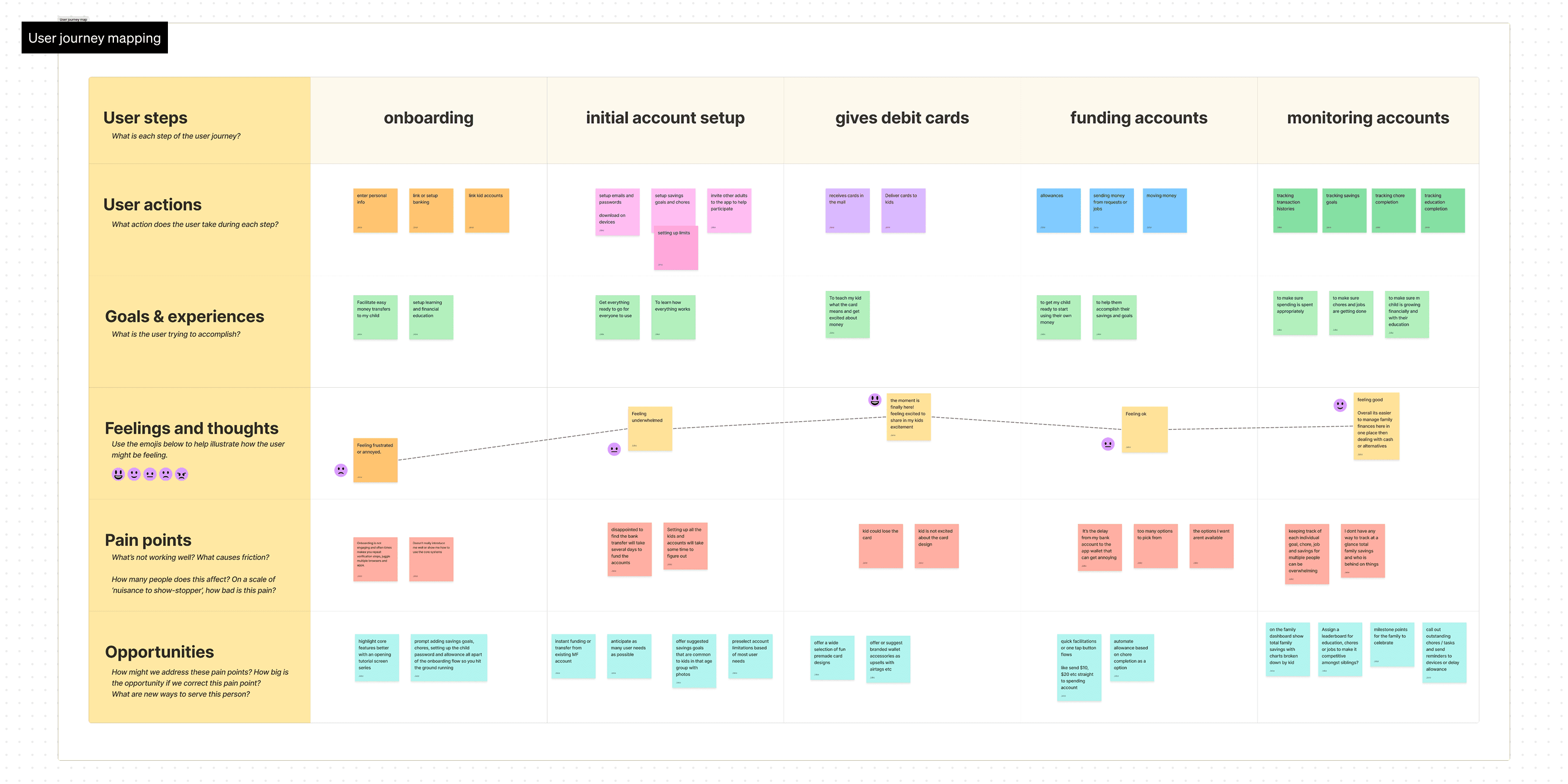
We map the full experience your users navigate: the triggers that start it, the steps in between, and the moments where things go sideways. These maps help the whole team see the product from the outside in, and they make it easier to agree on where the work should focus.
Market and competitor analysis
We study the landscape you're entering: who's already there, where they fall short, and where there's room to build something better. Through competitive feature analysis, positioning review, and user feedback research, we identify the gaps your product can fill. You'll come away with a clear-eyed picture of where you fit and what it will take to stand out.
User journey mapping
We map the full experience your users navigate: the triggers that start it, the steps in between, and the moments where things go sideways. These maps help the whole team see the product from the outside in, and they make it easier to agree on where the work should focus.
User research and personas
We talk to the people you're building for. Through interviews, surveys, or desk research depending on your stage, we find out what motivates them, what frustrates them, and how they're getting by today without your product. From those conversations, we build personas grounded in what we actually heard.
Technical research and planning
Our engineers look hard at what it will actually take to build what you're envisioning. We evaluate infrastructure options, flag integration challenges, and identify anything that could become a constraint mid-build. You'll get a clear, honest picture of what's possible — and what trade-offs come with each direction — before any commitments are made.
Market and competitor analysis
We study the landscape you're entering: who's already there, where they fall short, and where there's room to build something better. Through competitive feature analysis, positioning review, and user feedback research, we identify the gaps your product can fill. You'll come away with a clear-eyed picture of where you fit and what it will take to stand out.
User research and personas
We talk to the people you're building for. Through interviews, surveys, or desk research depending on your stage, we find out what motivates them, what frustrates them, and how they're getting by today without your product. From those conversations, we build personas grounded in what we actually heard.
User journey mapping
We map the full experience your users navigate: the triggers that start it, the steps in between, and the moments where things go sideways. These maps help the whole team see the product from the outside in, and they make it easier to agree on where the work should focus.
Technical research and planning
Our engineers look hard at what it will actually take to build what you're envisioning. We evaluate infrastructure options, flag integration challenges, and identify anything that could become a constraint mid-build. You'll get a clear, honest picture of what's possible — and what trade-offs come with each direction — before any commitments are made.
Architect and Inform
As we learn, our design and engineering teams start turning those findings into structure, flows, and technical decisions. This is where the product takes shape and we get concrete about what we're building, how, and when.
What we cover:
User flows and information architecture
Prototyping and usability testing
Risk analysis and prioritization
System architecture and integrations
Delivery planning
Architect and Inform
As we learn, our design and engineering teams start turning those findings into structure, flows, and technical decisions. This is where the product takes shape and we get concrete about what we're building, how, and when.
What we cover:
User flows and information architecture
Prototyping and usability testing
Risk analysis and prioritization
System architecture and integrations
Delivery planning
User flows and information architecture
We map how users will move through the product and how it's organized underneath. The goal is a structure where the right paths feel obvious and friction is low — not because we designed something clever, but because we did the work to understand how users think before we started drawing.
Prototyping and usability testing
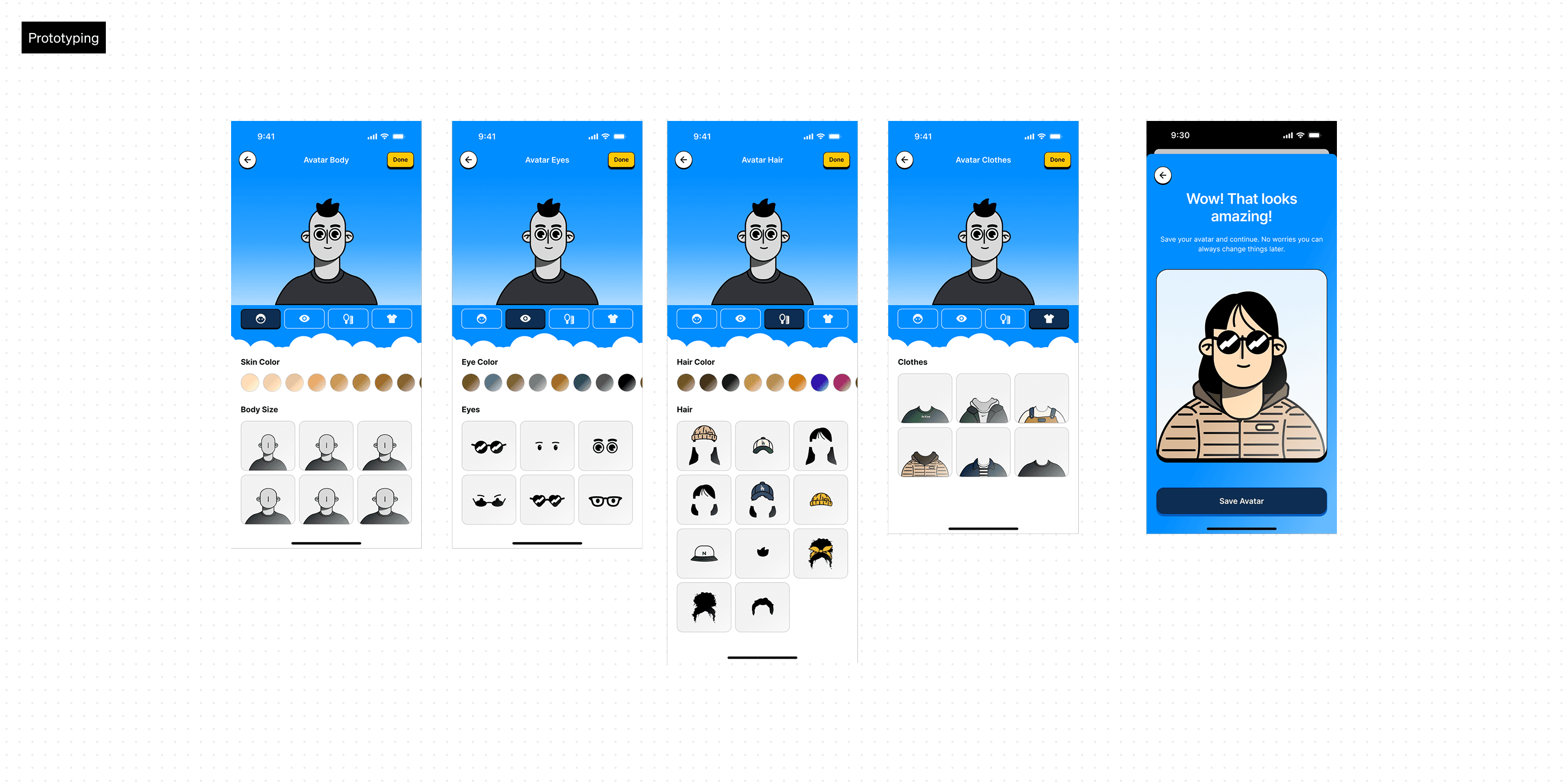
We build something testable before we build something real. Interactive prototypes go in front of actual users early, when changing course is still cheap. What we learn shapes the product directly through adjustments made in real time. Each round of testing is tied to specific questions we need answered, not general reactions we have to interpret.
Risk analysis and prioritization
We make deliberate choices about what to build first and what to defer. Features get evaluated against business value and technical complexity. Risks get named, documented, and planned around. The backlog that comes out of this phase reflects what we've learned — not what was easiest to put on a list.
System architecture and integrations
We design the technical blueprint that will hold everything together: backend services, APIs, data storage, authentication, analytics, and any third-party connections. We plan for where you're going, not just where you are, so that the architecture doesn't become a constraint when you need to grow.
Delivery planning
We close Discovery with a phased plan for what comes next: sequenced work, team composition, timeline, and cost ranges. Nothing is left vague. You go into development knowing exactly what to expect and why. And the team that ran Discovery moves straight into building — no handoffs, no lost context, no starting over.
User flows and information architecture
We map how users will move through the product and how it's organized underneath. The goal is a structure where the right paths feel obvious and friction is low — not because we designed something clever, but because we did the work to understand how users think before we started drawing.
Prototyping and usability testing
We build something testable before we build something real. Interactive prototypes go in front of actual users early, when changing course is still cheap. What we learn shapes the product directly through adjustments made in real time. Each round of testing is tied to specific questions we need answered, not general reactions we have to interpret.
Risk analysis and prioritization
We make deliberate choices about what to build first and what to defer. Features get evaluated against business value and technical complexity. Risks get named, documented, and planned around. The backlog that comes out of this phase reflects what we've learned — not what was easiest to put on a list.
System architecture and integrations
We design the technical blueprint that will hold everything together: backend services, APIs, data storage, authentication, analytics, and any third-party connections. We plan for where you're going, not just where you are, so that the architecture doesn't become a constraint when you need to grow.
Delivery planning
We close Discovery with a phased plan for what comes next: sequenced work, team composition, timeline, and cost ranges. Nothing is left vague. You go into development knowing exactly what to expect and why. And the team that ran Discovery moves straight into building — no handoffs, no lost context, no starting over.
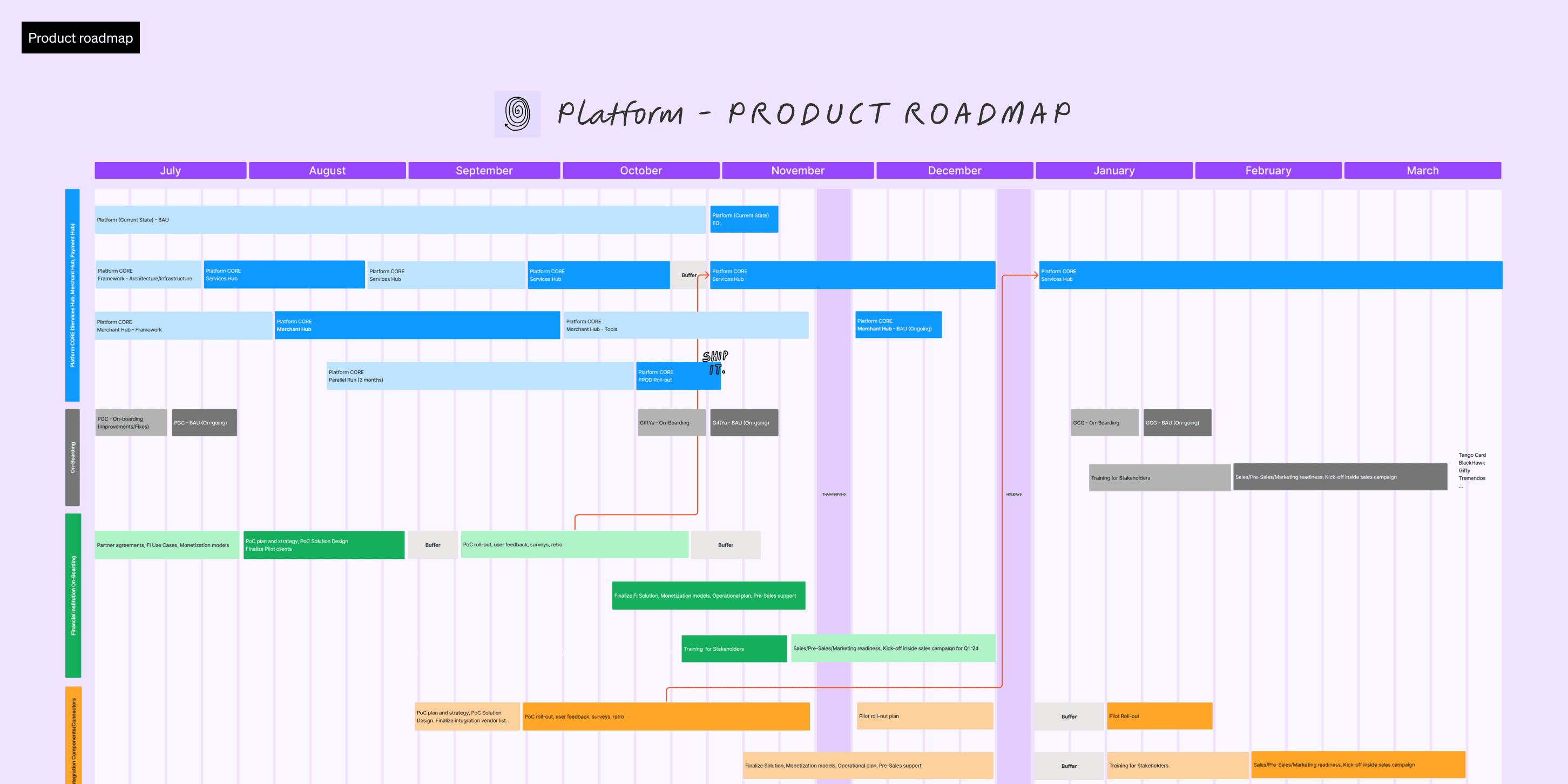
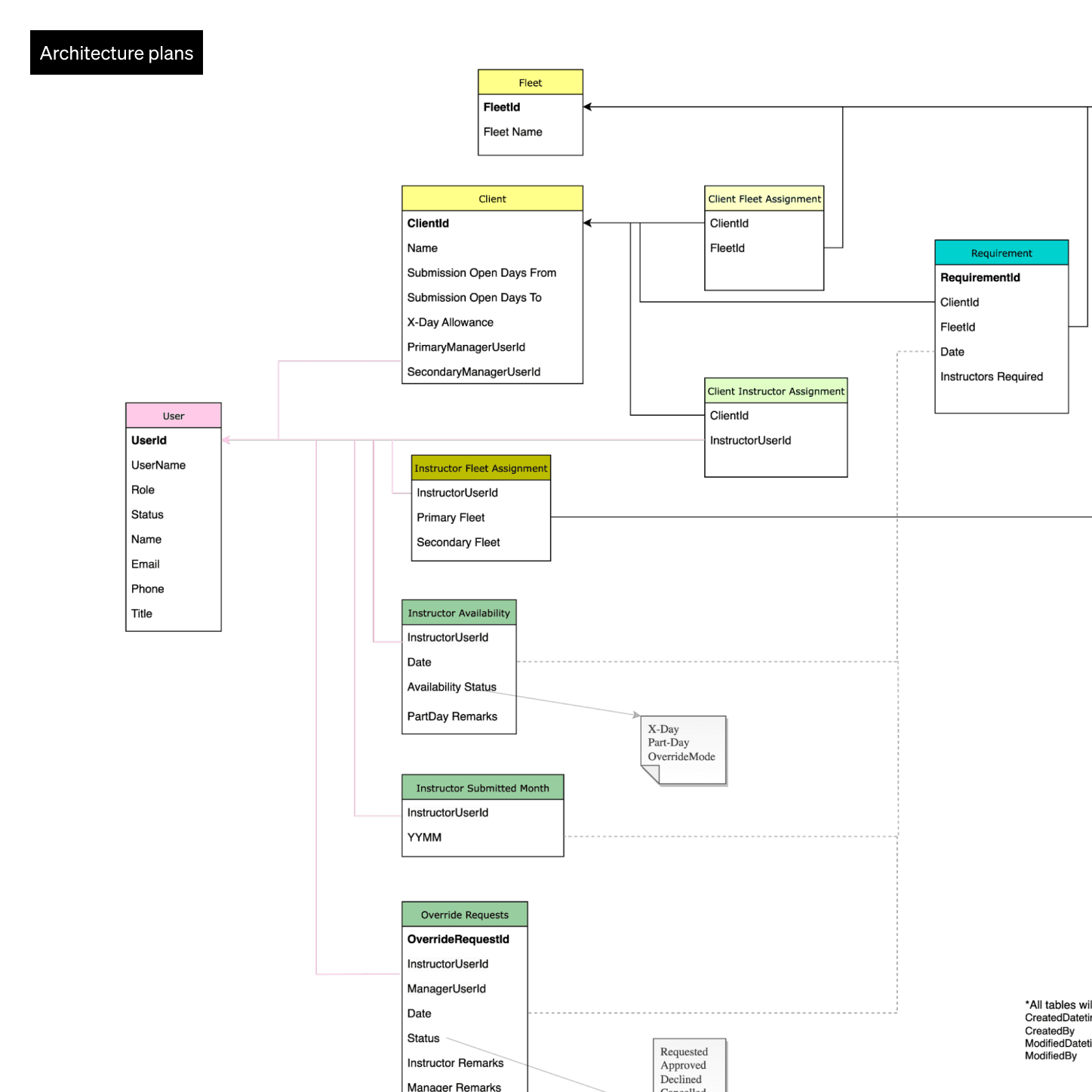
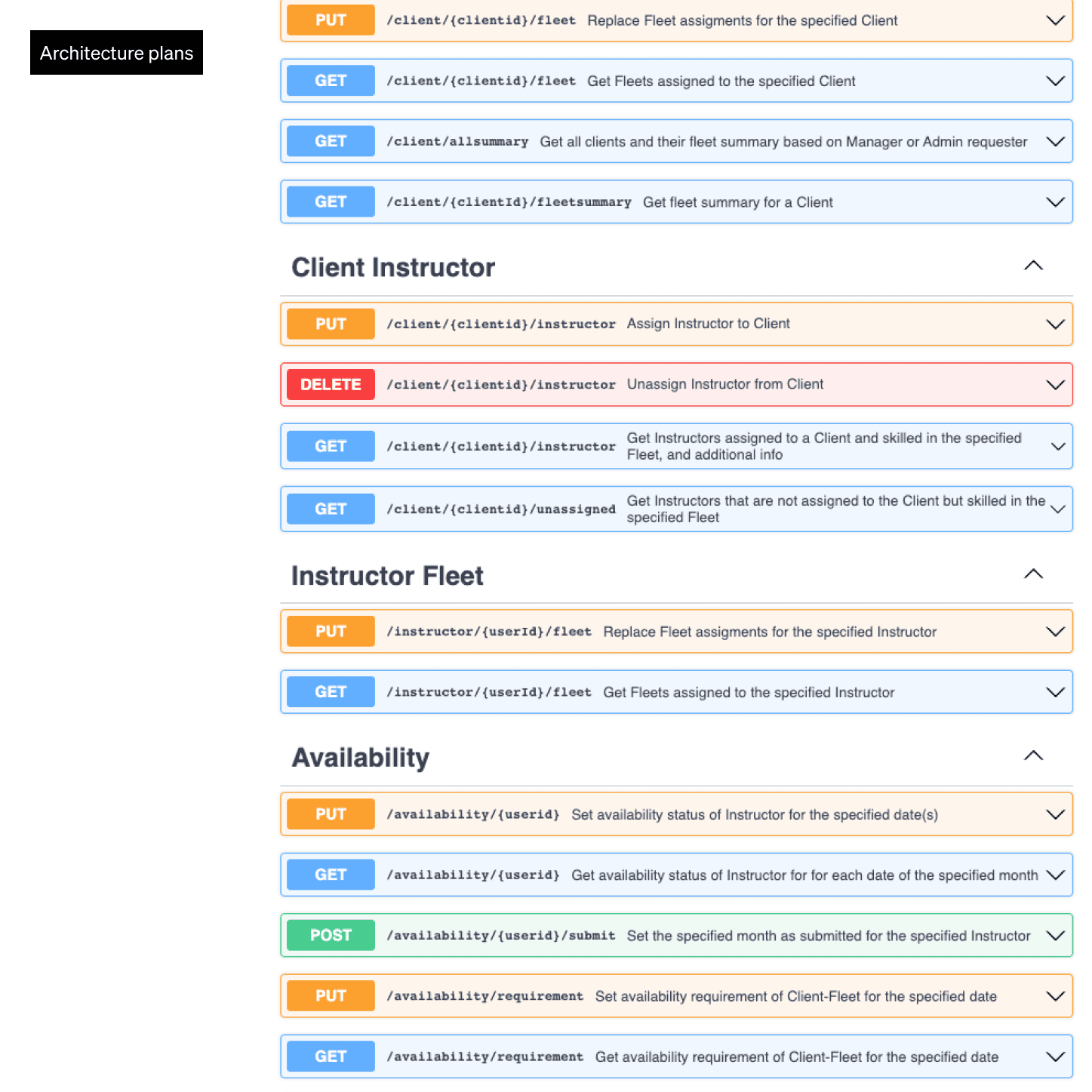
How working with us is different
We bring engineers in on day one.
Most discovery engagements are led by strategists and designers. Ours aren't. Our engineers are in the room early — asking the hard feasibility questions before anyone falls in love with an approach that can't be built the way it needs to be. You get a realistic plan, not an optimistic one.
We bring engineers in on day one.
Most discovery engagements are led by strategists and designers. Ours aren't. Our engineers are in the room early — asking the hard feasibility questions before anyone falls in love with an approach that can't be built the way it needs to be. You get a realistic plan, not an optimistic one.
One team. Your project. Start to finish.
When we take on a project, that team works on your project. Not yours and three others. That focus matters — it means your team isn't competing for attention, context doesn't get lost between engagements, and the people who understood the problem at the start are still the ones solving it at the end.
One team. Your project. Start to finish.
When we take on a project, that team works on your project. Not yours and three others. That focus matters — it means your team isn't competing for attention, context doesn't get lost between engagements, and the people who understood the problem at the start are still the ones solving it at the end.
We keep you in the loop on everything.
Assumptions, trade-offs, risks, timelines, costs — you see all of it as it develops, not after decisions have already been made. If something changes or we learn something that shifts the plan, you hear it from us directly. No surprises, no cleaned-up version of the truth.
We keep you in the loop on everything.
Assumptions, trade-offs, risks, timelines, costs — you see all of it as it develops, not after decisions have already been made. If something changes or we learn something that shifts the plan, you hear it from us directly. No surprises, no cleaned-up version of the truth.
Discovery doesn't end in a handoff.
When Discovery wraps, you don't start over with a new vendor who has to get up to speed. The same designers, engineers, and strategists who ran Discovery move straight into building. The context stays intact. The momentum carries. And the product you build reflects the thinking that went into planning it.
Discovery doesn't end in a handoff.
When Discovery wraps, you don't start over with a new vendor who has to get up to speed. The same designers, engineers, and strategists who ran Discovery move straight into building. The context stays intact. The momentum carries. And the product you build reflects the thinking that went into planning it.
Not sure if Discovery is the right fit?
If you have a specific challenge and need a tested concept quickly, a Design Sprint might be the better starting point. In five days, you get a clickable prototype, real user feedback, and a validated direction you can bring back to your organization.